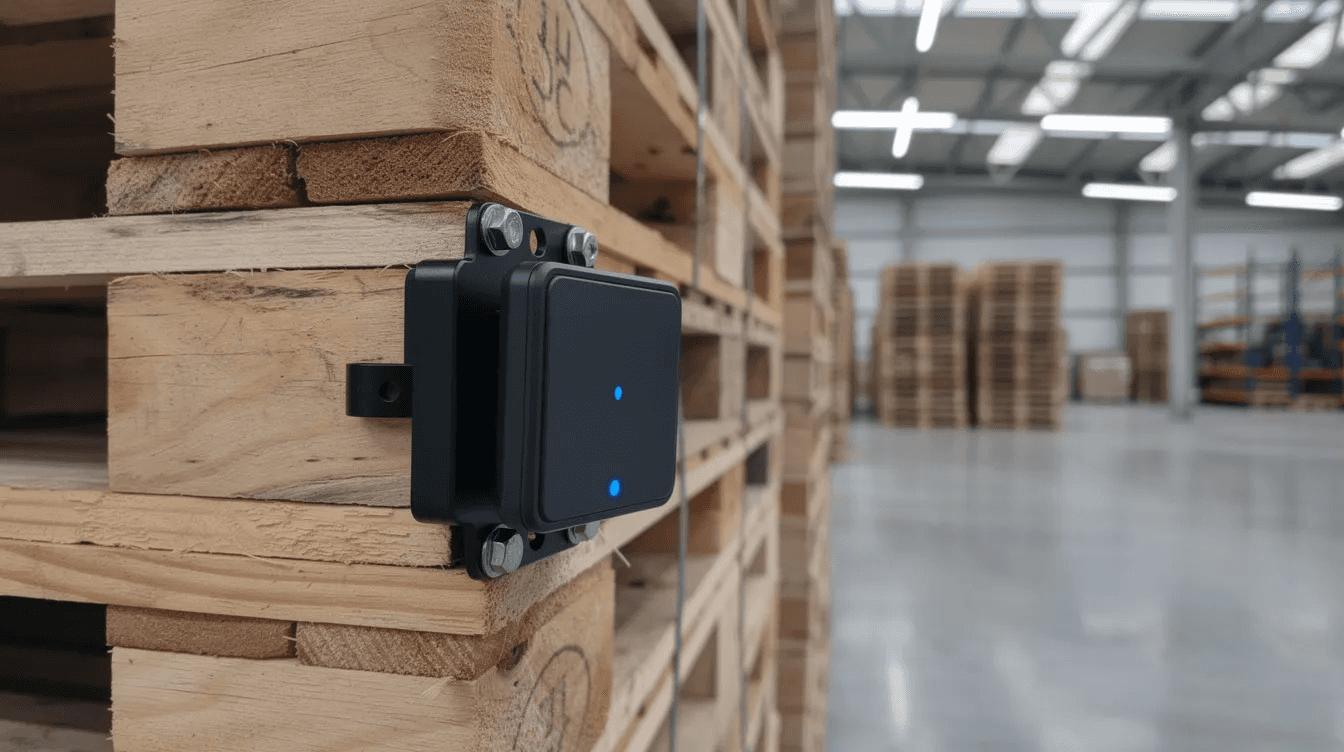
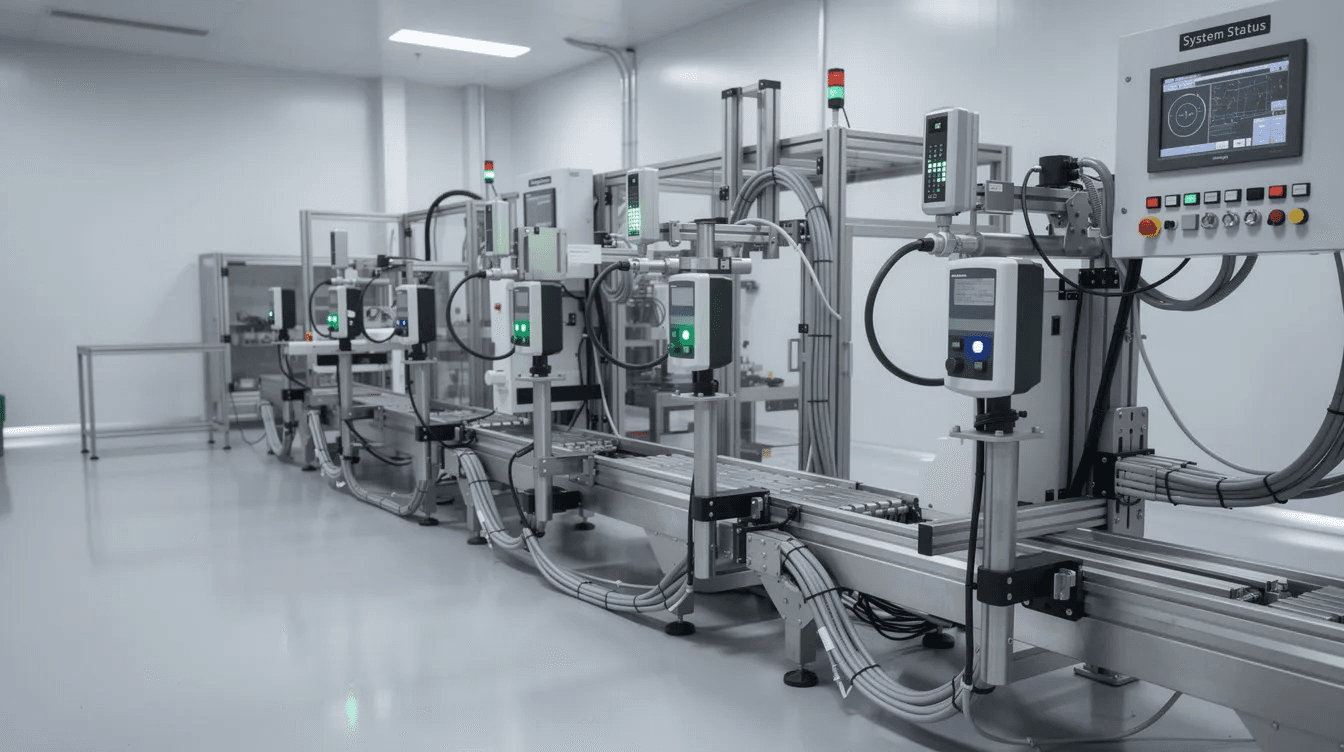
Every asset-intensive organisation is under pressure to cut costs, meet emissions targets, and improve uptime. Digital twins promise all three, but the question that CFOs and operations directors keep asking is the same: where is the proof? This guide walks you through how to build, quantify, and defend a digital twin business case that stands up to board-level scrutiny.
Key Takeaways
Start with a narrow, high-value use case where you can prove digital twin ROI in under 12–18 months (e.g., a single building portfolio, one vessel class, or a critical production line).
Most mature digital twin programs see 10–25% efficiency gains and 15–30% operational cost reductions; leaders also unlock new revenue streams and strategic advantages that are harder to quantify upfront.
Digital twin ROI depends less on advanced algorithms and more on clean data, clear ownership, and embedding the twin into day-to-day decision making.
Platforms like Semvar, an AI-powered digital twin platform for IoT, compress integration time, automate model building, and provide out-of-the-box analytics for smart buildings, maritime, and mining assets.
Successful programs treat digital twins as part of a wider digital transformation roadmap, with staged investment, clear KPIs, and governance for data, models, and real-time operations.
What Is Digital Twin ROI? A Clear, Citable Definition
Digital twin ROI is the measurable financial and strategic return generated by deploying a virtual representation of physical systems, processes, or assets, continuously synchronised with real time data, to support better decision making and operational control.
A digital twin is more than a dashboard. It is a digital replica fed by IoT sensors, operational technology, and historical data that mirrors the real-world behaviour of its physical counterparts in near real time. Digital twins consist of five core elements for effective modelling: a physical asset or process, sensors and data sources, a virtual model, analytics and simulation capability, and a feedback loop that drives action. Because digital twins generate ROI by enabling better operational decisions and predictive insights, the value extends well beyond simple monitoring.
Hard ROI includes measurable outcomes like OPEX savings, CAPEX deferral, and revenue uplift. Soft but strategic ROI covers faster informed decisions, improved compliance, resilience, and competitive advantage. For capital-intensive sectors such as smart buildings, maritime fleets, and mining operations, digital twin technology sits at the intersection of digital transformation, the energy transition, and advanced analytics.
Semvar focuses specifically on quantifiable value from IoT-centric twins for buildings, ships, and mining equipment, using AI to shorten time-to-value.
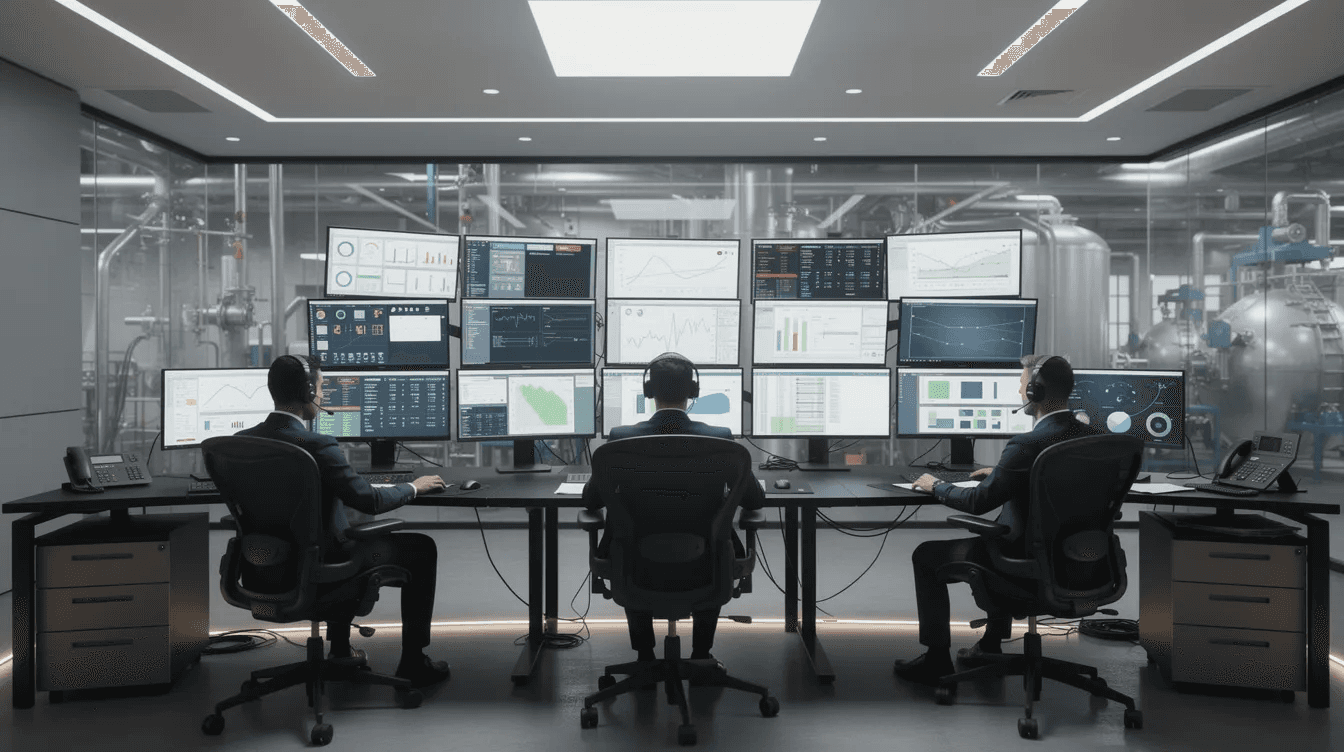
The Business Context: Why ROI Drives Digital Twin Investment in 2024–2026
Rising energy prices since 2022, tightening emissions regulations from the European Union and the IMO, and supply chain volatility are pushing organisations toward data-driven optimisation. Governments worldwide are mandating energy and carbon emissions reporting that makes operational inefficiency a boardroom risk, not just an engineering problem.
The financial scale is significant. Multiple analyst reports project the global digital twin market surpassing $155 billion by 2030, driven by infrastructure, energy, and manufacturing process investments. At the asset level, digital twins can identify over $100 million in potential savings for large organisations, and 92% of companies deploying digital twins report returns above 10%.
Boards and CFOs no longer approve innovation for innovation's sake. Digital twin technology now competes with other capital projects and must present a clear payback period, typically under 24 months. Digital twins are particularly valuable in industries where operational downtime is costly, such as manufacturing, maritime, and mining.
Pressure points are sector-specific. Real estate owners need 20–40% energy intensity reduction by 2030. Shipping operators face IMO decarbonisation targets and fuel-cost volatility. Mining companies are under scrutiny for safety, water use, and productivity.
In this context, platforms like Semvar that can turn raw IoT feeds into actionable digital twins without multi-year IT projects become economically attractive. Digital twin initiatives often succeed when addressing clearly defined business objectives rather than pursuing technology for its own sake.
Components of Digital Twin Value: Where the ROI Actually Comes From
The business value of a digital twin breaks down into four core categories. Each carries its own financial impact and measurement approach.
Operational efficiency. Mature programs typically achieve 10–25% efficiency gains through better utilisation, fewer bottlenecks, and optimised scheduling. Digital twins can improve operational efficiency with productivity gains of 15% to 30% across use cases like HVAC and occupancy alignment in buildings, voyage optimisation and load planning in maritime, and haul-truck dispatching or crusher utilisation in mining. Organisations report throughput increases of 15-23% with digital twins in complex systems.
Cost reduction and energy savings. Organisations report operational cost reductions of 20-30% within one year of deployment. In optimised buildings, energy consumption reductions of 15–30% are common. In vessel fleets, fuel savings of 5–10% are achievable with relatively short payback. Digital twins support the energy transition by continuously simulating and tuning energy-consuming systems, and they can reduce unplanned downtime by up to 50%.
Risk mitigation and compliance. Digital twins can help reduce maintenance costs by identifying potential failures before they occur. Implementing digital twins can lower physical testing expenses by validating designs virtually, avoiding costly trial-and-error on the physical asset. Virtual representation and simulation reduce safety incidents and regulatory breaches. EU-funded pilots have quantified millions of euros saved by preventing single large incidents.
Innovation and revenue. Twins support new services and business models like building performance as a service, optimised freight products, and throughput-based contracts in mining. Digital twins can enhance product quality by detecting design flaws early in the lifecycle, and fewer defects can be achieved through digital twin technology due to improved quality control. Companies report a 20-50% reduction in product development time using digital twins, and they allow simulation of facility layouts without disrupting active production.
Digital Twin ROI Across Key Sectors: Buildings, Maritime, and Mining
ROI profiles differ by sector but follow the same core logic: establish a baseline, deploy targeted interventions, and measure uplift against pre-agreed KPIs. Digital twins provide a live view of production lines to identify bottlenecks, whether that line is an HVAC loop, a vessel engine room, or a concentrator plant.
Smart buildings. Portfolio-wide twins combine BMS data, occupancy patterns, and weather feeds to cut energy 15–25% and reduce maintenance costs by 10–20%. The University of Liverpool verified a 20.9% energy reduction and £50K in cost savings after deploying a calibrated building twin. At portfolio scale, a 500,000 m² office portfolio could realistically save €1.5–2.5M annually through optimised HVAC and automated fault detection. Digital twins can improve operational efficiency by 15-23% in these environments.

Maritime. Vessel and fleet twins blend engine data, hull condition, weather, and port schedules to reduce fuel 5–10% and avoid schedule disruptions. Wärtsilä case studies show fuel savings of 2-10% with payback often under 12 months. A 7% fuel saving on a medium-sized fleet generates multi-million-euro annual savings at 2025 bunker prices. Digital twins can identify bottlenecks and optimise resource allocation across voyage planning and port logistics.
Mining. Mine-to-mill digital twins can increase throughput 3–8% without new capital equipment and reduce unproductive haulage time. The RTIMS mining project in South Africa delivered 65% ROI over three years with payback in roughly 16 months. Safety-related ROI is equally significant: fewer incidents, better compliance, and avoidance of costly shutdowns. Digital twins can increase throughput by 15-23% in manufacturing and processing operations at mine sites.
Semvar is designed to reuse core capabilities-IoT ingestion, AI-driven modelling, scenario simulation-across all three domains, reducing cost per use case as you scale.
Building a Quantitative ROI Model for Your Digital Twin Initiative
Digital twin ROI can be measured through various financial and operational metrics. Here is a practical five-step process to build a model your CFO will take seriously.
Step 1 - Define the scope. Pick one specific system or flow: HVAC across 10 buildings, one vessel class, or a single concentrator line. Clarify a 3–5 year time horizon for the ROI model.
Step 2 - Establish the baseline. Capture current KPIs: energy use, fuel consumption, tonnage per hour, unplanned downtime, and labour hours. Use at least 12 months of historical data to smooth seasonal effects. Data availability significantly impacts digital twin implementation success, so invest effort here.
Step 3 - Quantify improvement potential. Use benchmarks (10–25% operational efficiency gains, 15–30% energy savings) but adjust conservatively for your context. Example: a mine processing line with $10M/year in operational costs, targeting a realistic 8% reduction, yields $800K/year in benefits. Digital twins require a deep understanding of the modelled process to set realistic targets.
Step 4 - Convert benefits and costs. Typical cost items include platform fees, integration and data engineering, change management, and ongoing support. Many Semvar customers target 12–18 month payback, designing initial projects where first-year net benefit exceeds total digital twin implementation cost. Successful digital twin implementation can take 12-18 months to recover costs.
Step 5 - Calculate ROI, NPV, and payback period. Implementing a digital twin typically delivers a substantial return on investment over three years. Run a simple NPV over 3–5 years, discounting future benefits at your organisation's cost of capital. Use conservative assumptions: assume only 80% of estimated savings materialise and add a 10–20% cost buffer for potential issues.
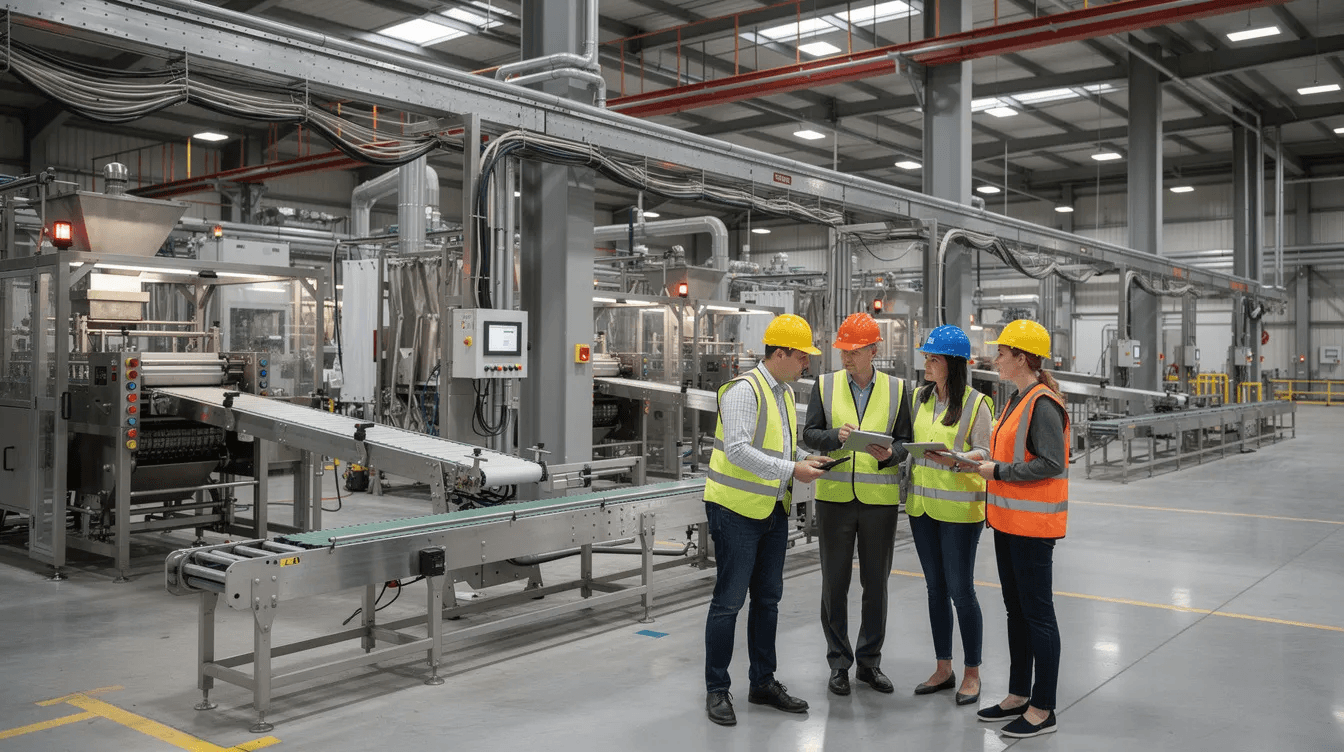
Cost Side of the Equation: What You Really Spend on a Digital Twin
Underestimating total cost is the fastest way to derail overall ROI. Be transparent about every line item.
Data infrastructure. Connecting IoT devices, upgrading networks, and enabling secure data pipelines-especially in ageing buildings, older ships, and remote mines-requires investment. An AI-powered platform like Semvar lowers engineering hours by automating device discovery, protocol mapping, and semantic modelling across common standards like BACnet, Modbus, and OPC UA.
Software and platform. Licensing models vary: per asset, per data point, per site, or per user. Additional modules for simulation, optimisation, and reporting add costs but often yield disproportionate value when they accelerate production efficiency gains.
Integration and modelling. Integrating BMS, SCADA, historian data, ERP/CMMS, and external data sources (weather, market prices, schedules) takes effort. Semvar's digital twin templates for buildings, vessels, and mining equipment reduce custom modelling work, turning what might be months of engineering into days.
People and change. Training operational teams, data governance work, and process redesign time are real costs. The Capgemini Digital Twins survey found that roughly 43% of organisations struggle with lack of management commitment, and nearly half report insufficient investment in change management.
Ongoing operations. Cloud infrastructure, model maintenance, sensor recalibration, security updates, and continuous improvement activities need a budget line item from year two onward.
From Pilot to Portfolio: Phased Digital Twin Implementation for Maximum ROI
Digital twin implementation should be staged: pilot → scale-out → embedded operations, with progressively broader financial impact at each step.
Pilot phase (3–9 months). Choose 1–3 high-pain assets or processes with clear KPIs. Limit integration scope to must-have systems to keep costs manageable. Define measurable outcomes before starting: 10% energy reduction in one building, 5% fuel saving on one trade lane, or 5% throughput increase on one processing line. This is where you test assumptions and build organisational confidence.
Scale-out phase (6–18 months). Replicate proven patterns across buildings, vessels, or mine sites. Standardise data models and metrics so improvements are comparable and repeatable. Use Semvar or similar platforms to apply templates across similar asset classes, dramatically reducing marginal cost per additional physical asset.
Embedded operations phase (ongoing). Integrate digital twin insights into daily control-room routines, planning meetings, and capital project reviews. Link incentive systems and SLAs to metrics visible in the twin-energy performance, schedule reliability, tonnage. Digital twins are virtual replicas that update in real-time using IoT sensor data, and embedding them into workflows ensures that this live intelligence actually drives action.
ROI typically accelerates in the scale-out phase. As the RTIMS mining project demonstrated, pilot costs were recovered by month 16, and benefits continued compounding over three years. The success lies in treating scale-out as an operational programme, not a second IT project.

Data, AI, and Real-Time Connectivity: Enablers of Sustainable ROI
Reliable ROI rests on three pillars: data quality, intelligent models, and real time data integration.
Data quality and governance. Even imperfect data can deliver value if you understand its limitations and improve iteratively. Start with minimal viable standards: unique asset IDs, consistent timestamps, and documented tag naming conventions. Perfect data is not a prerequisite-but ignoring data quality guarantees model drift and eroding trust.
AI and analytics. AI models in platforms like Semvar detect anomalies, learn normal behaviour, and propose optimal actions such as revised setpoints, routing suggestions, or production sequence changes. This is not black-box magic; it is about scaling expert logic across thousands of assets and time steps. In one Bangkok smart building study, explainable AI achieved 10.9% energy savings versus 3.9% under rule-based control, demonstrating the tangible difference AI-driven optimisation makes over traditional approaches.
Real-time and near-real-time integration. Sub-minute updates matter for control loops like HVAC or process control. For planning twins, 5–15 minute or hourly updates may suffice. Latency, reliability, and security directly impact trust and therefore ROI. Digital twins use real-time data to mirror real-world behaviour of assets or processes, making connectivity architecture a critical design decision.
Feedback into operational systems. The highest returns come from closed-loop scenarios where the twin not only recommends but automatically executes actions through BMS, DCS, or fleet-management systems under defined constraints. Twins that only monitor capture a fraction of the possible value.
Governance, People, and Change Management: The Hidden ROI Multipliers
The best-designed twin fails if operators, engineers, and managers do not use it. This section focuses on organisational design, not technology.
Ownership and roles. Appoint a digital twin product owner, typically in operations or asset management rather than IT alone. This person defines the backlog of use cases, prioritises development, and tracks KPIs. Without clear ownership, twins become orphaned.
Decision-making workflows. Daily, weekly, and monthly routines should explicitly reference twin outputs. Energy review meetings should centre on the building twin. Voyage planning sessions should pull from the fleet twin. If the twin is not part of the meeting agenda, it is not part of the process.
Capability building. Operations teams need training to interpret analytics, not to become data scientists. Semvar's UI is designed for operations users: clear alerts, plain-language recommendations, and drill-down views rather than raw data streams.
Change management. Involve frontline staff early, communicate goals transparently, and recognise quick wins. Many failed pilots underestimate cultural resistance more than technical difficulty. Stakeholders across the organisation need to understand why the twin exists and what it means for their daily work.
Common Pitfalls That Destroy Digital Twin ROI (and How to Avoid Them)
Most ROI failures trace back to misaligned scope, absent metrics, or over-engineered solutions. Here are the traps to avoid.
Building a "mega twin" too early. Trying to model entire organisations before validating a single use case leads to delays and budget overruns. Start with well-bounded complex systems and expand modularly.
Technology-first, problem-second. Teams that purchase advanced platforms without a clearly defined business problem end up with unused capability and sunk costs. Always determine the specific operational pain point first.
Ignoring integration and data realities. Underestimating data-wrangling effort is the most common mistake. Platforms like Semvar include connectors and mapping tools to cut this effort, but planning must still account for it.
No clear KPIs or baselines. Without pre-agreed metrics (kWh/m², $/ton, fuel per nautical mile), you cannot convincingly claim ROI later. Explore your baseline data thoroughly before launch.
Under-resourcing operations. Leaving the twin on the side instead of embedding it into control rooms and operational reviews limits adoption and value. The twin must become part of how your organisation makes decisions, not a side experiment.
Strategic Benefits and Future State: Beyond Immediate Financial ROI
Digital twins do not only pay back initial investment-they shape an organisation's future state and competitive advantage.
Resilience and scenario planning. Twins allow organisations to test future scenarios-fuel-price shocks, regulation changes, extreme weather events-before they occur. This capability reduces risk in ways that are difficult to monetise but transformative for operational excellence. Digital twins improve decision-making speed in government projects, help optimise military investments in response to threats, and can streamline airport operations, reducing flight delays-all examples of the power of simulation-driven planning across emerging technologies.
Regulation and the European Union context. The EU Green Deal, CSRD, and taxonomy rules increase the need for auditable operational and emissions data. Digital twins provide traceable, model-backed evidence for sustainability disclosures and investment decisions, addressing the carbon emissions reporting burden with structured, reliable data.
Capital allocation and design. Insights from operational twins feed into better CAPEX decisions for retrofits, fleet renewal, or new mine designs. This optimisation of long-term capital planning improves returns across the entire asset lifecycle.
Digital transformation foundation. A scalable twin platform like Semvar becomes a backbone for other analytics initiatives: advanced optimisation, AI agents, or integration with enterprise planning systems. It is the foundation upon which you build future capability.
By 2030, organisations that have operationalised digital twins will run continual simulation and optimisation as standard business practice. The question is not whether this future arrives, but whether your organisation will be ready when it does. Ultimately, 92% of companies report returns above 10% from digital twins, confirming that the investment case is already proven for those willing to execute with discipline.
FAQ: Practical Questions on Digital Twin ROI
Below are questions that decision-makers often ask after reviewing an initial business case. Each answer focuses on practical specifics.
How quickly can we expect payback from a digital twin?
Well-scoped projects in buildings, maritime, and mining typically deliver payback within 12–24 months, with pilots designed for even faster validation in 6–12 months. The timeline depends on scope, data readiness, and baseline performance-sites with more inefficiency usually show faster ROI. Semvar customers often start with constrained pilots deliberately engineered for sub-18-month payback before wider rollout. Digital twin implementation costs are typically recovered within 12-18 months in most industry deployments.
Do we need a complete IoT infrastructure before starting?
Full sensor coverage is not required. Many organisations start with existing BMS, SCADA, and historian data and selectively add sensors where gaps are critical. A platform like Semvar can ingest heterogeneous data sources and highlight where additional instrumentation would have the highest ROI, so you can focus investment where it matters rather than instrumenting everything upfront.
How is digital twin ROI different from classic analytics or BI dashboards?
Dashboards mostly describe what happened. Digital twins continuously mirror the current state and can simulate the future state under different decisions. ROI comes from using this capability to test interventions virtually before implementing them-reducing trial-and-error costs, enabling automation, and accelerating the speed of informed decisions across the organisation. Digital twins can save organisations over $100 million in potential savings when deployed at enterprise scale.
What organisational size or asset base is needed to justify a digital twin?
ROI becomes compelling when annual operating costs for the targeted scope exceed several million dollars, since even single-digit percentage improvements generate meaningful cost savings. Mid-sized portfolios-5–20 buildings, 5–15 vessels, or one large mine-are often ideal starters: large enough for material ROI, small enough to manage complexity and prove the model before scaling.
How do we keep models accurate over time as assets change?
Ongoing model governance is essential: version models when equipment is upgraded, regularly retrain AI components, and validate outputs against real-world metrics. Semvar automates much of this through continuous learning from IoT data and configuration management, reducing the manual burden on in-house teams. Without this discipline, model drift will gradually erode the value your twin delivers.
Read more insights