Key Takeaways
IoT remote monitoring connects distributed iot devices and physical assets through Wi-Fi, LPWAN, satellite, and cellular networks to stream real time data into a central platform.
Semvar’s AI-powered digital twin ingests data collected from buildings, vessels, and mines to model equipment performance, predict failure, and deliver cost savings.
The iot remote monitoring work that matters most is practical: fewer inspections, early detection, better uptime, and predictive maintenance instead of reactive repairs.
A strong iot remote monitoring solution needs data visualization, immediate alerts, and seamless integration with BMS, SCADA, ERP, CMMS, and other management systems.
Future trends such as artificial intelligence at the edge, 5G, and richer digital twins will expand air quality monitoring, energy optimisation, and autonomous operations.
What Is IoT Remote Monitoring?
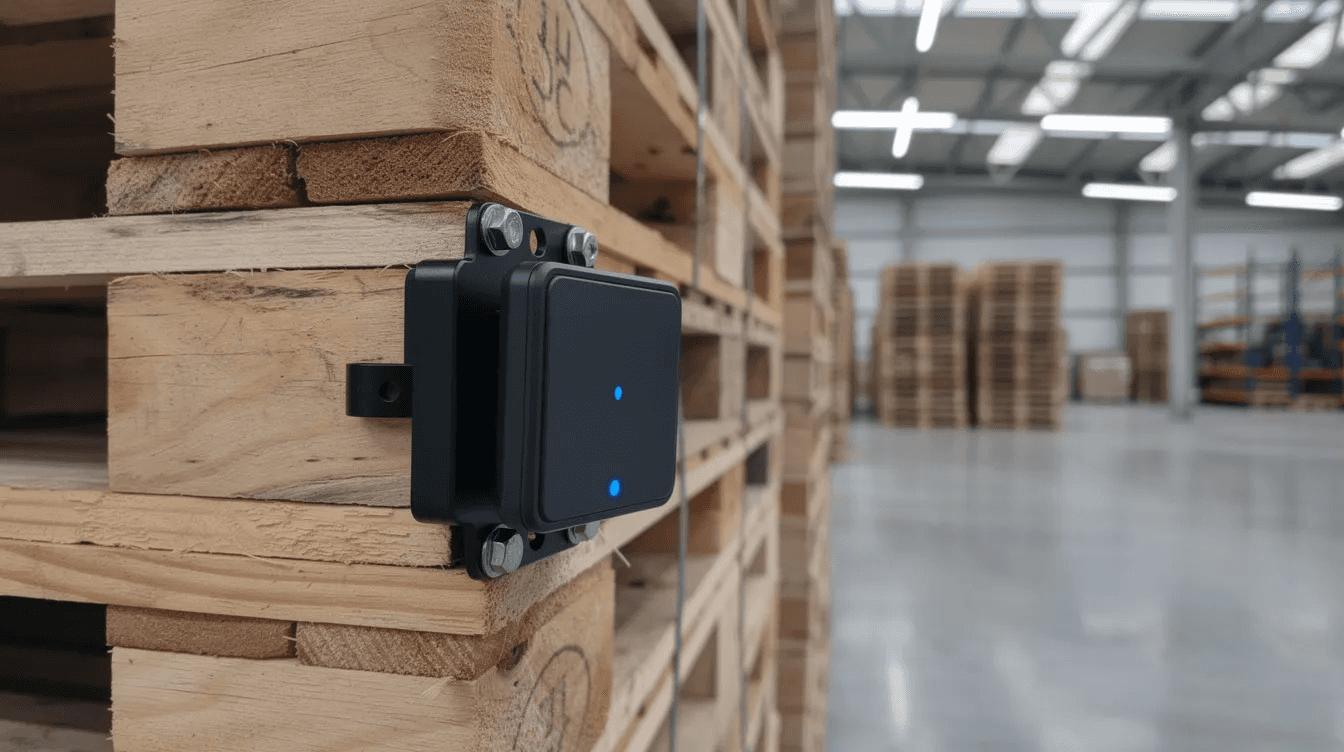
IoT remote monitoring is the use of iot sensors, gateways, controllers, and connected devices to collect data from equipment, environments, and other physical assets, then transmit data over Wi-Fi, LPWAN, cellular connectivity, cellular networks, or satellite into a central system for analysis. It enables real time monitoring, remote management, remote diagnostics, and proactive management without requiring teams to be on site. IoT remote monitoring provides real-time data and detailed analytics, empowering businesses to make informed decisions quickly.
In Semvar’s context, this data powers a live digital twin of a building, vessel, or mine. By continuously monitoring and analysing data streams, IoT remote monitoring enables users to manage assets and environments remotely, predict potential problems before they arise, and optimise performance for better efficiency. Examples include monitoring chiller runtime in a commercial tower, pump vibration in a mine, or engine fuel use on a vessel. Typical various parameters include vibration, RPM, power draw, temperature, humidity, occupancy, energy use, and air quality.
How Does IoT Remote Monitoring Work?
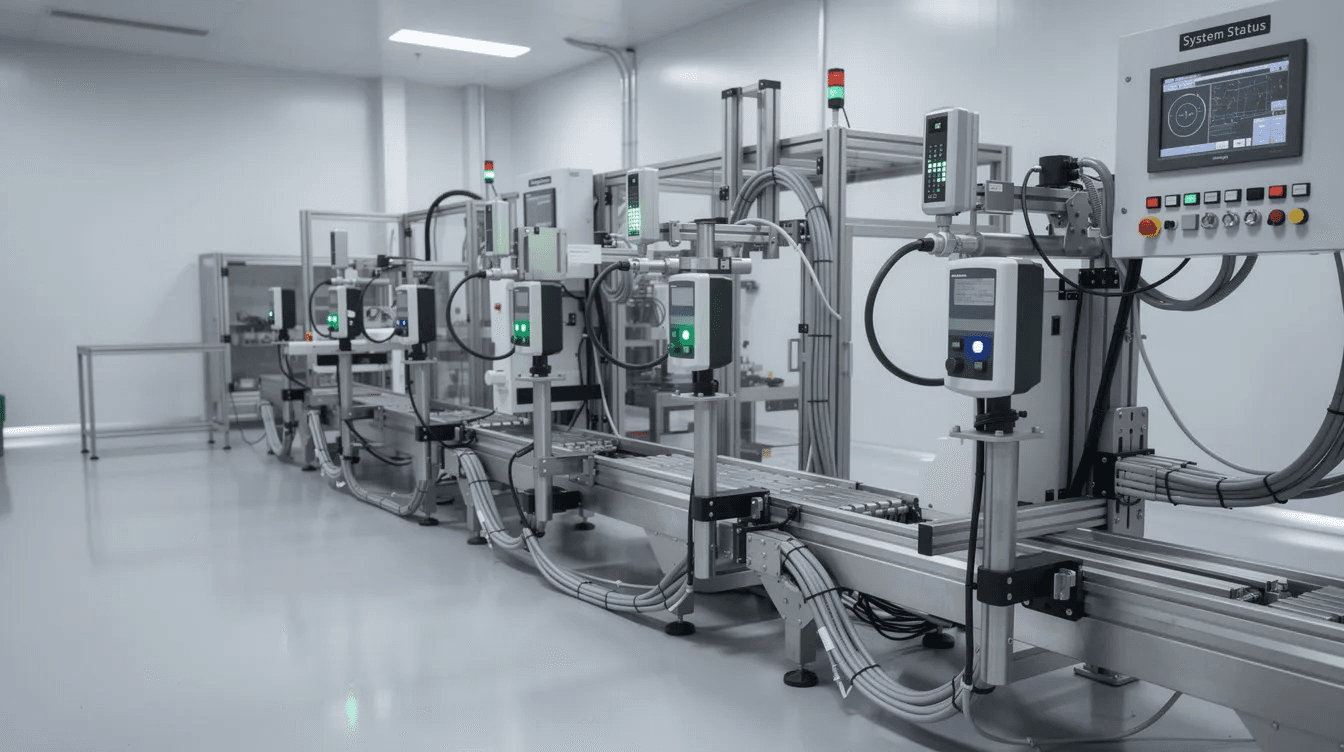
The flow is simple: iot devices → edge processing → connectivity technologies such as LTE-M, NB-IoT, 4G, or 5G → cloud or hybrid digital twin platform → dashboards, alerts, and automation. Sensors may include PM2.5 and CO₂ air quality sensors, accelerometers on motors, pressure transmitters, GPS trackers, and gateways in a 30-story tower, an offshore supply vessel, or an open-pit mine.
Common connectivity choices include:
Wi-Fi and BLE for buildings and campuses.
LoRaWAN and NB-IoT for battery devices in remote areas such as pits, ports, or utility corridors.
4G and 5G for mobile assets, high-bandwidth video, and ultra low latency use cases.
Satellite for remote locations where terrestrial networks are unavailable.
Edge devices filter noisy data, run local threshold alarms, minimise latency, and reduce bandwidth before real time data transmission to the cloud. On the platform side, Semvar handles data acquisition, normalisation, storage of historical data, data analytics, and machine learning. A typical workflow is data collection → normalisation → anomaly detection → alert or automation, such as slowing a conveyor before equipment failure occurs.
Core Components of an IoT Remote Monitoring Solution
Reliable remote monitoring depends on a complete stack.
Hardware: IP67 vibration sensors on crushers, Modbus power meters, BACnet controllers, environmental monitoring devices, and ruggedized units for salt, dust, humidity, and shock.
Connectivity: coverage, latency, bandwidth, power consumption, and data requirements must match the use case.
Platform: device provisioning, firmware updates, rules engines, access control, and secure multi-tenant operations.
Digital twin and analytics: Semvar maps sites → buildings → systems → equipment, then applies AI/ML to historical and live streams.
UX: dashboards, time-series charts, 3D views, maps, and a mobile device interface for technicians.
Integration: APIs and webhooks connect BMS, SCADA, ERP, SAP PM, IBM Maximo, security systems, and existing infrastructure.
The integration of IoT monitoring software with existing business systems allows for a unified approach to data management, enhancing overall operational efficiency. In practice, integration ensures insights become work orders, reports, or control actions instead of isolated dashboard items.
Key Parameters and KPIs Monitored
The value of an iot solution depends on selecting metrics tied to safety, uptime, cost, and customer satisfaction.
Equipment performance: vibration in mm/s, bearing temperature, motor current, valve position, RPM, fuel consumption, and runtime.
Environmental conditions: CO₂, VOCs, PM2.5, temperature, humidity, gas levels, and confined-space safety.
Energy efficiency: kWh, power factor, compressed-air pressure, steam leaks, and load profiles.
Operations: uptime, MTBF, MTTR, first-time-fix rate, fleet utilisation, and service response time.
Compliance: bilge levels, ballast tank conditions, structural strain, emissions, and indoor air quality.
For context, median unplanned downtime across industries is estimated at about $125,000 per hour, while building digital twins can help reduce energy consumption by 10–30% in many programs.
Benefits of IoT Remote Monitoring and Digital Twins
When implemented well, predictive monitoring can cut unplanned downtime by 20–40% and reduce OPEX through fewer truck rolls, lower spare-parts use, optimised energy, and longer equipment life. The predictive maintenance benefits of IoT remote monitoring give businesses the ability to reduce break-fix calls and control the variation that influences their resource deployment business operations.
IoT remote monitoring enables businesses to optimise their service response processes, identify problems faster, and improve operational efficiency by providing real-time data and insights into asset performance. By utilising IoT remote monitoring, organisations can transition from time-based maintenance to condition-based maintenance, ensuring that preventative maintenance is performed when needed, thus enhancing operational efficiency.
The implementation of IoT remote monitoring can lead to significant cost savings by reducing the need for unnecessary service trips and enabling proactive maintenance, which in turn enhances overall operational efficiency. IoT remote monitoring allows businesses to monitor their equipment and systems in near real time, enabling proactive maintenance that minimises downtime. By predicting equipment problems before they cause failures, remote IoT monitoring allows for proactive maintenance, which minimises downtime and keeps operations running smoothly. IoT remote monitoring enables organisations to shift from time-based to condition-based maintenance, ensuring that preventative maintenance is performed when needed, thus reducing downtime.
Industrial and Commercial Use Cases
Although the architecture is similar, use cases vary across various industries.
Smart buildings: Commercial properties can monitor energy consumption, air quality, occupancy, elevators, chillers, boilers, lighting, and security systems to optimise utility costs and space management. Semvar has shown how digital twins can detect after-hours energy waste and tune schedules for measurable savings.
Maritime: Vessels use IoT remote monitoring for engines, hull indicators, fuel, emissions, reefer containers, bilge levels, and crew comfort. Hybrid satellite/cellular links support open-sea operations; a private LTE deployment in offshore operations helped reduce hazardous manual inspections by 75% in an Ericsson case.
Mining and heavy industry: Crushers, conveyors, ventilation fans, haul trucks, and tailings dams use rugged various devices, LPWAN, and private LTE for early detection of faults.
Logistics & Supply Chain: Logistics & Supply Chain utilises real-time GPS tracking and cargo monitoring to optimise delivery routes and reduce fuel consumption. Logistics companies use IoT to track the location, temperature, and shock-levels of sensitive shipments in transit.
Energy & Utilities: Energy & Utilities track the performance of power grids and renewable energy sources to optimise energy distribution.
Agriculture: Agriculture employs smart soil sensors to track environmental data like moisture and temperature for optimising crop growth.
Healthcare: IoT remote monitoring has numerous applications across various industries, including healthcare, industrial, high tech, and agriculture, making it an essential tool for businesses to streamline their service operations. In healthcare, the Internet of Medical Things (IoMT) allows remote technicians to access medical devices at any location, improving service response times and patient care. Remote patient monitoring, remote healthcare, and systems that track vital signs help healthcare providers improve patient care and control healthcare costs; healthcare organisations also monitor vital signs and sensitive data carefully.
Fleet management: IoT remote monitoring is crucial for fleet management, enabling near real-time tracking of vehicles and assets, which helps optimise operations and improve safety.

Connectivity Considerations: Cellular Networks and Beyond
Connectivity is a foundational design decision. Wi-Fi works indoors, Ethernet suits fixed control rooms, LoRaWAN supports low-power field sensors, and NB-IoT is useful where small packets and long battery life matter. Cellular networks such as 4G, LTE-M, NB-IoT, and 5G support mobility, roaming, and broad coverage.
Satellite and hybrid gateways help in remote areas, offshore routes, and isolated mines. For resilience, teams often use dual SIMs, multiple carriers, VPNs, private APNs, and encryption. Cost control comes from edge filtering, compression, and event-based uploads.
Data Visualization, Alerts, and User Experience
Raw data is not enough. Operators need data visualization that turns valuable insights into action.
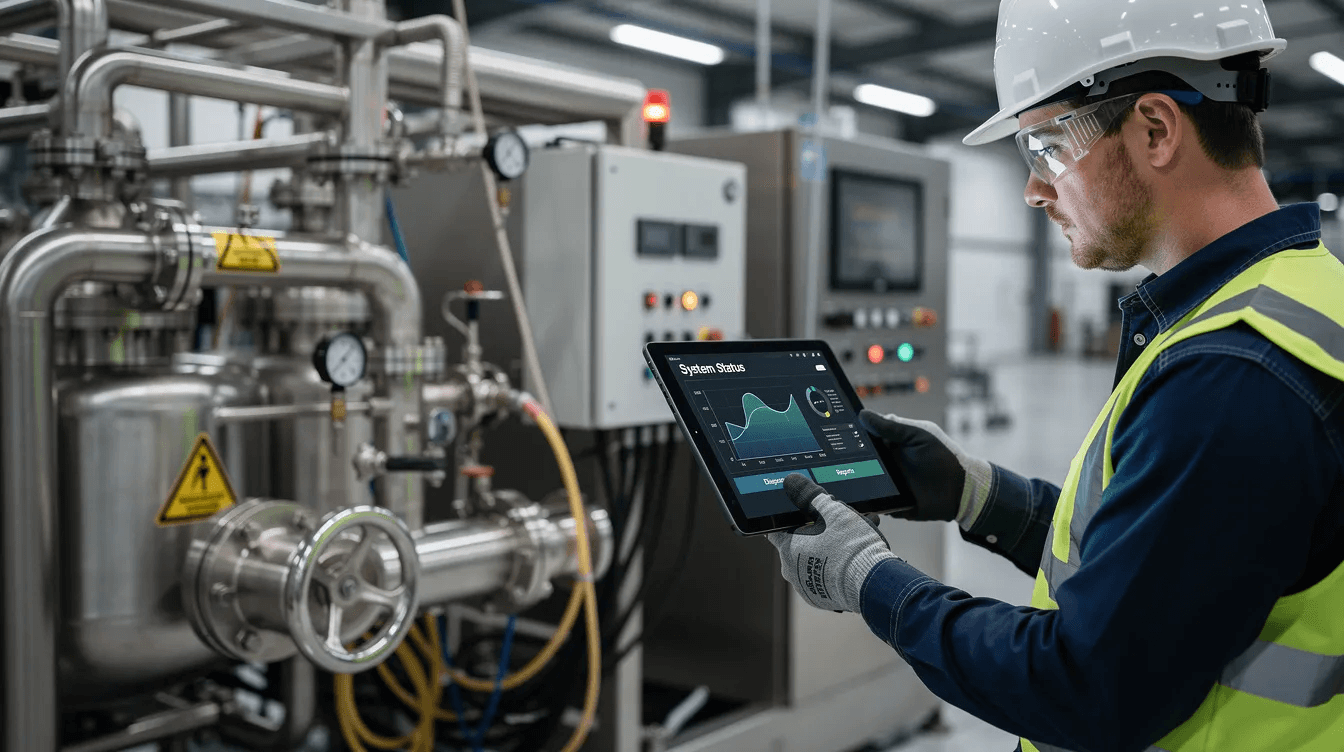
Good dashboards are role-based: engineers need time-series detail, executives need KPIs, and technicians need prioritised jobs. Semvar links alarms to equipment, upstream and downstream dependencies, recent control changes, and floor plans, deck plans, or conveyor maps. Alerts can route by email, SMS, Teams, or Slack with escalation logic to reduce alarm fatigue. Tailored dashboards, alerts, and reporting functionalities enhance monitoring capabilities and support scheduled reports for uptime, energy, safety, and maintenance.
How Digital Twin Platforms Like Semvar Supercharge Remote Monitoring
A digital twin is a dynamic model that mirrors the structure, state, and behaviour of real-world assets using live IoT data. Semvar models relationships such as which AHU serves which zones, which pump feeds which line, or how a propulsion system connects to fuel and power systems.
This context enables anomaly detection, failure prediction, optimisation, and scenario analysis. Teams can test setpoint changes, ventilation strategies, or load shifting before applying them live. Semvar can also recommend or trigger actions to adjust settings, create work orders, and feed outcomes back into models for continuous improvement and optimising processes.
Key Considerations When Choosing an IoT Remote Monitoring Solution
Before choosing a platform, define the business outcome: 20% less downtime, 10% energy savings, better IAQ, fewer on site visits, or faster response. In practice, scalability, interoperability, and security are among the primary challenges to account for early. IoT monitoring platforms can be extensively customised to meet the specific needs of various industries, including manufacturing, healthcare, and logistics, enabling businesses to fit the platform to their operations rather than forcing a one-size-fits-all approach.
Also evaluate:
Scalability: Scalability is a concern for IoT remote monitoring systems, as the growing number of connected devices requires infrastructure capable of handling increased data loads while maintaining performance.
Interoperability: Interoperability is a challenge in IoT remote monitoring, as devices from different manufacturers often use varying communication protocols and standards, complicating integration into a unified system.
Security: Data privacy and security are significant challenges in IoT remote monitoring, as the increasing number of connected devices raises the risk of data breaches and cyber attacks.
Flexibility: open APIs, Modbus, BACnet, OPC UA, templates, and reusable models help avoid lock-in.
Time to value: pilots should prove measurable value before portfolio rollout.
Future Trends in IoT Remote Monitoring
By 2030, iot technologies will be more autonomous, more contextual, and more widely adopted. Expect more artificial intelligence and machine learning at the edge, better prognostics, automated root-cause analysis, and 5G network slicing for more devices and low-latency control. Sustainability reporting will rely on continuous monitoring of energy, emissions, and air quality. Richer twins like Semvar will combine live telemetry, design data, physics, and AI to enable safer autonomous optimisation.
FAQ
How is IoT remote monitoring different from traditional SCADA systems?
SCADA usually focuses on local control and visualization inside one facility. Modern iot remote monitoring uses internet-based connectivity, cloud or hybrid platforms, and portfolio-scale analytics across many sites. Semvar can ingest SCADA and BMS data rather than replacing them.
Do we need to replace all existing sensors?
No. Existing BACnet controllers, PLCs, meters, and engine systems can often connect through gateways or protocol converters. New sensors are added only where gaps exist, such as vibration, air quality, or energy submetering.
How quickly can organisations see ROI?
Early wins often appear in 3–6 months through fault detection and energy optimisation. Larger predictive maintenance and benchmarking gains usually mature over 12–24 months, especially in high-cost mines, vessels, data centers, and large building portfolios.
What level of IT and OT involvement is required?
IT typically manages network access, cybersecurity, identity, and enterprise integrations. OT manages equipment access, safety procedures, controls, and maintenance workflows. A platform partner like Semvar helps connect both sides.
Can IoT remote monitoring improve existing building comfort?
Yes. Retrofit sensors for CO₂, PM2.5, temperature, humidity, and occupancy can be installed with minimal disruption. Semvar correlates that data with HVAC operation and energy use, helping teams improve comfort, compliance, and efficiency.
Read more insights