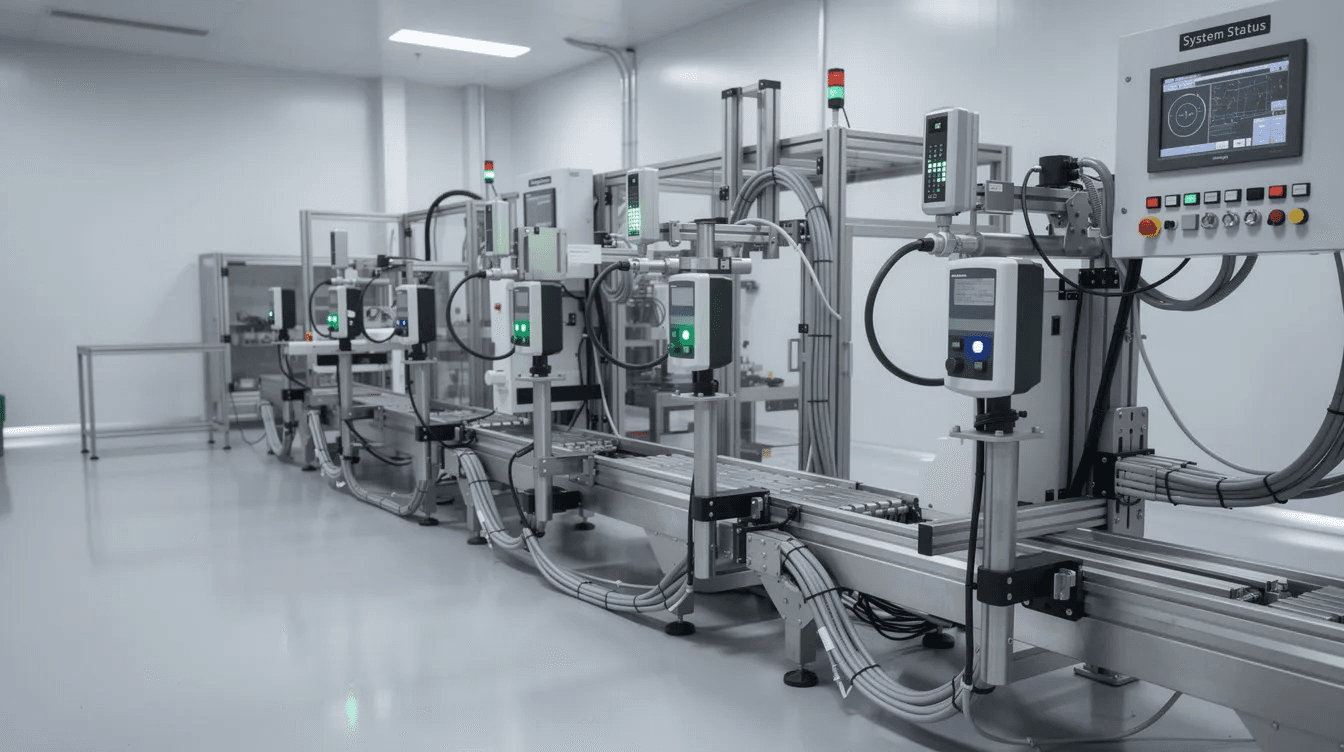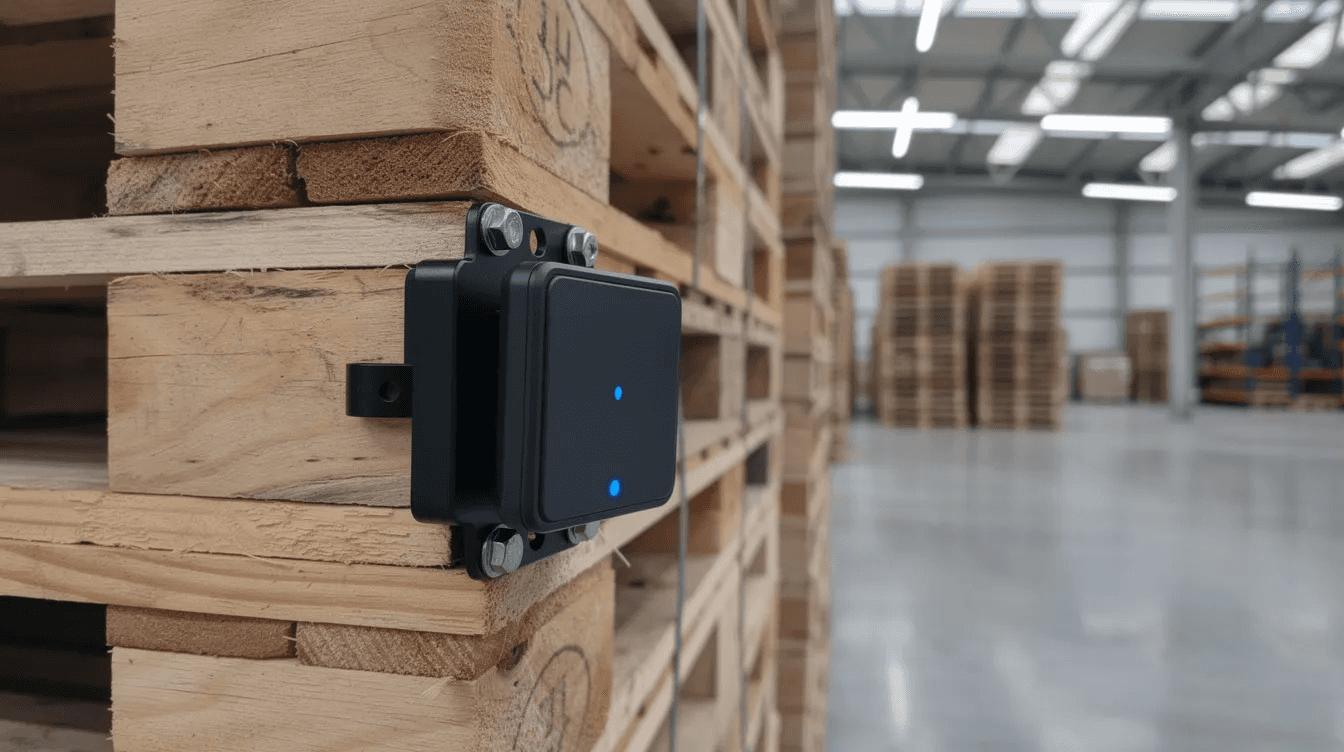
IoT asset tracking is the use of Internet of Things sensors, wireless connectivity, and cloud-based software to monitor the real-time location, condition, and status of physical assets across an organisation's operations. By combining technologies such as GPS, Bluetooth Low Energy (BLE), RFID, and LoRaWAN with digital twin platforms, IoT asset tracking enables businesses to achieve full visibility over equipment, inventory, vehicles, and infrastructure — reducing losses, improving utilisation, and driving operational efficiency at scale.
For industries managing high-value or distributed assets — from shipping containers crossing oceans to HVAC units spread across a building portfolio — IoT asset tracking has moved from a competitive advantage to an operational necessity. According to a 2024 report by MarketsandMarkets, the global asset tracking market is projected to reach USD 36.3 billion by 2025, growing at a compound annual growth rate of 15.2%.
What Is IoT Asset Tracking?
At its core, IoT asset tracking connects physical objects to the internet through small, often battery-powered sensors or tags. These devices transmit data — including GPS coordinates, temperature, humidity, vibration, and movement — to a centralised platform where operations teams can view, analyse, and act on asset information in real time.
Unlike traditional asset management approaches that rely on manual audits or barcode scanning, IoT asset tracking provides continuous, automated updates without human intervention. This shift from periodic to real-time visibility fundamentally changes how organisations manage their physical assets.
How IoT Asset Tracking Works
A typical IoT asset tracking system consists of four key layers that work together to deliver real-time visibility.
Hardware Layer: Sensors and Tags
The hardware layer includes the physical devices attached to or embedded within assets. Common sensor types include GPS trackers for outdoor and fleet tracking, BLE beacons for indoor positioning, RFID tags for inventory and warehouse management, LoRaWAN sensors for long-range, low-power deployments, and cellular-connected devices for assets that move across wide geographic areas.
The choice of sensor technology depends on factors like required accuracy, power consumption, range, and cost. For instance, BLE beacons offer sub-metre indoor accuracy but limited range, while LoRaWAN devices can transmit data over several kilometres but with lower positional precision.
Connectivity Layer: Data Transmission
Once sensor data is captured, it must be transmitted to the cloud. IoT asset tracking systems use a range of wireless protocols depending on the deployment environment. Wi-Fi and BLE are common for indoor and campus environments, LoRaWAN and NB-IoT serve wide-area, low-power applications, and cellular networks (4G/5G) support high-bandwidth or mobile use cases.
Many enterprise deployments use a combination of these protocols. A maritime shipping company, for example, might use satellite connectivity for open-ocean tracking and switch to LoRaWAN when vessels enter port areas.
Platform Layer: Data Processing and Digital Twins
The platform layer is where raw sensor data is transformed into actionable intelligence. Modern IoT asset tracking platforms like Semvar ingest data streams from thousands of sensors, normalise and enrich the data, and present it through digital twin models that mirror the physical environment in real time.
Digital twin platforms add significant value by enabling organisations to not only see where assets are, but to simulate scenarios, predict maintenance needs, and optimise asset deployment. For a smart building operator managing hundreds of HVAC units across a portfolio, this means knowing exactly which units are underperforming before tenants report comfort issues.
Application Layer: Dashboards and Alerts
The application layer provides the user-facing tools — dashboards, mobile applications, automated alerts, and reporting interfaces — that operations teams interact with daily. Configurable alerts can notify teams when an asset leaves a designated geofence, when environmental conditions exceed thresholds, or when maintenance is overdue.
Key Technologies Behind IoT Asset Tracking
Understanding the technology options available is essential for selecting the right IoT asset tracking solution for your organisation.
GPS Tracking
Global Positioning System tracking remains the gold standard for outdoor asset tracking. GPS provides global coverage with accuracy typically within 3 to 5 metres. It is ideal for fleet management, shipping container tracking, and monitoring mobile equipment across large geographic areas. However, GPS has significant power requirements and does not work reliably indoors.
Bluetooth Low Energy (BLE)
BLE beacons are widely used for indoor asset tracking in warehouses, hospitals, and commercial buildings. BLE offers sub-metre accuracy when deployed with a dense network of receivers, low power consumption enabling multi-year battery life, and relatively low hardware costs. The technology is particularly effective for tracking portable equipment, tools, and personnel within defined indoor spaces.
RFID (Radio-Frequency Identification)
RFID technology uses radio waves to identify and track tagged objects. Passive RFID tags have no battery and are powered by the reader's signal, making them extremely cost-effective for high-volume inventory tracking. Active RFID tags include their own power source and offer greater range, typically 30 to 100 metres.
LoRaWAN and LPWAN
Low Power Wide Area Networks like LoRaWAN are designed for IoT asset tracking scenarios that require long range and extended battery life. LoRaWAN sensors can transmit data over distances of 2 to 15 kilometres in urban environments and up to 40 kilometres in rural or maritime settings, all while operating on a single battery for 5 to 10 years. This makes LoRaWAN particularly suitable for mining operations, agricultural equipment monitoring, and port logistics.
Ultra-Wideband (UWB)
Ultra-wideband technology delivers centimetre-level positioning accuracy, making it the preferred choice for high-precision indoor tracking applications. UWB is increasingly used in manufacturing, automotive assembly, and healthcare settings where exact asset positions are critical to operational workflows.
Benefits of IoT Asset Tracking
Organisations that implement IoT asset tracking systems consistently report significant improvements across multiple operational dimensions.
Reduced Asset Loss and Theft
Real-time tracking with geofencing capabilities dramatically reduces asset loss. Research from Aberdeen Group indicates that organisations with real-time asset tracking experience 20% fewer asset losses compared to those relying on manual tracking methods. Automated alerts trigger instantly when assets move outside designated zones, enabling rapid response.
Improved Asset Utilisation
Many organisations discover that 15 to 30% of their assets are underutilised when they begin tracking usage patterns. IoT asset tracking reveals which assets are idle, which are overused, and where reallocation can eliminate unnecessary capital expenditure. For a mining company with a fleet of heavy equipment, even a 10% improvement in utilisation can represent millions in avoided procurement costs.
Lower Maintenance Costs
By monitoring asset condition data — vibration, temperature, operating hours, and performance metrics — IoT tracking enables the shift from reactive to predictive maintenance. This approach can reduce unplanned downtime by up to 50% and extend asset lifespan by 20 to 40%, according to McKinsey research on industrial IoT applications.
Enhanced Supply Chain Visibility
IoT asset tracking provides end-to-end supply chain transparency. Organisations can monitor shipments from origin to destination, verify cold chain compliance for sensitive goods, and provide accurate delivery estimates to customers. This visibility is particularly valuable in pharmaceutical logistics, perishable goods transport, and high-value manufacturing supply chains.
Regulatory Compliance and Audit Readiness
Automated tracking generates a continuous digital record of asset locations, conditions, and handling — significantly simplifying compliance with industry regulations. In sectors like healthcare, food safety, and mining, this audit trail can be the difference between compliance and costly penalties.
IoT Asset Tracking Use Cases by Industry
IoT asset tracking solutions deliver value across virtually every sector that manages physical assets. Here are some of the most impactful applications.
Smart Buildings and Facility Management
Building operators use IoT asset tracking to monitor HVAC systems, fire safety equipment, access control hardware, and maintenance tools across their portfolios. Digital twin platforms like Semvar enable facility managers to visualise every tracked asset within a 3D building model, quickly identifying equipment that needs attention or replacement. This approach has been shown to reduce emergency maintenance calls by up to 35%.
Maritime and Shipping
In the maritime industry, IoT asset tracking covers everything from container location monitoring to equipment condition tracking aboard vessels. LoRaWAN sensors deployed across port facilities and connected to digital twin platforms provide real-time visibility over cargo movements, crane operations, and vehicle logistics. Semvar's maritime customers have used this capability to reduce container dwell times by 20% and improve port throughput.
Mining and Heavy Industry
Mining operations deploy IoT asset tracking across vast, challenging environments to monitor the location and condition of drilling equipment, haul trucks, conveyor systems, and personnel. In underground mining, BLE and UWB technologies provide the indoor positioning capabilities that GPS cannot. Real-time tracking of heavy equipment across open-pit mines improves both operational efficiency and worker safety.
Healthcare
Hospitals and healthcare facilities use IoT asset tracking to locate medical devices, monitor pharmaceutical storage conditions, and track high-value equipment like infusion pumps, wheelchairs, and portable monitors. Studies show that nursing staff spend up to 30 minutes per shift searching for equipment — time that IoT tracking eliminates entirely.
Logistics and Warehousing
Warehouse operators use a combination of RFID, BLE, and IoT sensors to maintain real-time inventory visibility, optimise picking routes, and ensure accurate stock levels. IoT asset tracking in logistics extends to last-mile delivery tracking, pallet monitoring, and returnable transport item management.
How to Choose an IoT Asset Tracking Solution
Selecting the right IoT asset tracking platform requires careful evaluation of several factors that will determine long-term success.
Scalability
Your chosen platform must handle growth — from hundreds to tens of thousands of tracked assets — without performance degradation. Cloud-native platforms with microservices architectures, like Semvar, are designed to scale elastically with your needs.
Connectivity Flexibility
Look for platforms that support multiple connectivity protocols rather than locking you into a single technology. Your tracking needs will evolve, and the ability to integrate GPS, BLE, LoRaWAN, RFID, and cellular devices on a single platform provides future-proofing.
Integration Capabilities
The IoT asset tracking platform should integrate seamlessly with your existing systems — ERP, CMMS, warehouse management, and business intelligence tools. API-first platforms with pre-built connectors significantly reduce implementation time and total cost of ownership.
Digital Twin Functionality
Platforms that combine asset tracking with digital twin capabilities offer a significant advantage. Rather than simply showing dots on a map, digital twin platforms provide contextual understanding — how assets relate to their environment, how they interact with each other, and how operational changes will affect performance.
Security and Data Privacy
Enterprise IoT asset tracking generates sensitive operational data. Ensure your chosen platform offers end-to-end encryption, role-based access control, data residency options, and compliance with relevant standards such as ISO 27001 and SOC 2.
Implementation Best Practices
Successful IoT asset tracking deployments follow a structured approach that balances quick wins with long-term scalability.
Start with a Focused Pilot
Begin by tracking your highest-value or most frequently lost assets. A focused pilot of 50 to 100 assets demonstrates ROI quickly and identifies deployment challenges before a full rollout. Most organisations see measurable returns within 3 to 6 months of their initial deployment.
Establish Clear KPIs
Define the metrics that matter before deployment: asset utilisation rates, time-to-locate, loss rates, maintenance response times, or compliance scores. These KPIs guide system configuration and provide the framework for measuring success.
Plan for Connectivity
Conduct a thorough connectivity assessment of your deployment environment. Indoor spaces may require BLE beacon infrastructure, outdoor areas may need LoRaWAN gateways, and mobile assets may require cellular connectivity. A connectivity plan ensures reliable data transmission from day one.
Invest in Change Management
Technology deployment is only half the challenge. Operations teams need training on new dashboards and workflows, and processes must be updated to take advantage of real-time data. Organisations that invest in change management alongside technology deployment see 2 to 3 times higher adoption rates.

The Future of IoT Asset Tracking
IoT asset tracking is evolving rapidly, with several trends set to reshape the landscape in the coming years.
AI-Powered Predictive Analytics
Machine learning algorithms are increasingly being applied to asset tracking data to predict equipment failures, optimise asset routing, and automate inventory replenishment. AI-powered platforms can identify patterns that human operators would miss, enabling truly proactive asset management.
Digital Twin Integration
The convergence of IoT asset tracking with digital twin technology is creating increasingly sophisticated operational models. Platforms like Semvar are leading this integration, enabling organisations to not just track assets but to simulate entire operational environments — testing scenarios, predicting outcomes, and optimising performance before making physical changes.
Edge Computing
Processing data at the edge — on or near the tracking devices themselves — reduces latency and bandwidth requirements. This is particularly important for time-critical applications like autonomous vehicle guidance and real-time safety monitoring in industrial environments.
Sustainability Tracking
IoT asset tracking is increasingly being used to monitor and reduce environmental impact. Organisations are tracking energy consumption patterns, optimising logistics routes to reduce emissions, and monitoring asset lifecycles to support circular economy initiatives.
Frequently Asked Questions
What is the difference between IoT asset tracking and traditional asset management?
Traditional asset management relies on manual processes like barcode scanning, spreadsheet-based inventories, and periodic physical audits. IoT asset tracking automates this process using connected sensors that continuously transmit location and condition data to a cloud platform. This provides real-time visibility rather than point-in-time snapshots, eliminates manual data entry errors, and enables proactive rather than reactive management.
How much does an IoT asset tracking system cost?
Costs vary significantly based on the number of assets, sensor technology, connectivity requirements, and platform capabilities. Individual sensor tags can range from USD 5 for passive RFID to USD 50-150 for GPS or multi-sensor devices. Platform costs typically follow a per-asset, per-month model. Most organisations achieve ROI within 6 to 12 months through reduced asset losses, improved utilisation, and lower maintenance costs.
What is the best technology for indoor IoT asset tracking?
For most indoor tracking applications, BLE beacons offer the best balance of accuracy, cost, and battery life. UWB is preferred when centimetre-level accuracy is required, such as in manufacturing or healthcare settings. RFID is most cost-effective for high-volume inventory tracking in warehouses. Many organisations combine multiple technologies to address different use cases within the same facility.
Can IoT asset tracking work in remote or harsh environments?
Yes. IoT asset tracking solutions are specifically designed for challenging environments. LoRaWAN sensors operate in extreme temperatures, are IP67-rated for water and dust resistance, and can transmit data over distances of up to 40 kilometres. For maritime environments, satellite-connected trackers provide global coverage. In underground mining, specialised BLE and UWB systems provide reliable positioning where GPS signals cannot penetrate.
How does IoT asset tracking integrate with digital twin platforms?
IoT asset tracking provides the real-time data layer that digital twin platforms need to maintain accurate virtual representations of physical operations. Platforms like Semvar ingest tracking data alongside other sensor feeds to create comprehensive digital twins. These models enable organisations to visualise asset locations within 3D facility models, simulate operational scenarios, predict maintenance requirements, and optimise asset deployment — all based on live data from the tracking system.
Read more insights