Key Takeaways
A digital twin in mining is a continuously updated digital replica of assets, processes, geology, and environment, fed by IoT and operational systems.
Mining companies using digital twin technology often target 5–15% throughput gains, 10–30% maintenance cost reduction, and safer, more predictable operations.
Digital twins are becoming essential to the energy transition by helping open pit and underground mines increase output while lowering environmental impact.
Platforms like Semvar provide an AI-powered digital twin layer over existing iot devices, fleet management, planning, and SCADA systems.
What Is a Digital Twin in Mining?
A digital twin in mining is a dynamic, virtual replica of a physical mine site, its geological structures, or its heavy machinery. It is a digital replica of a mine’s physical asset, processes, and environment, continuously synchronised with real time data to improve decision making.
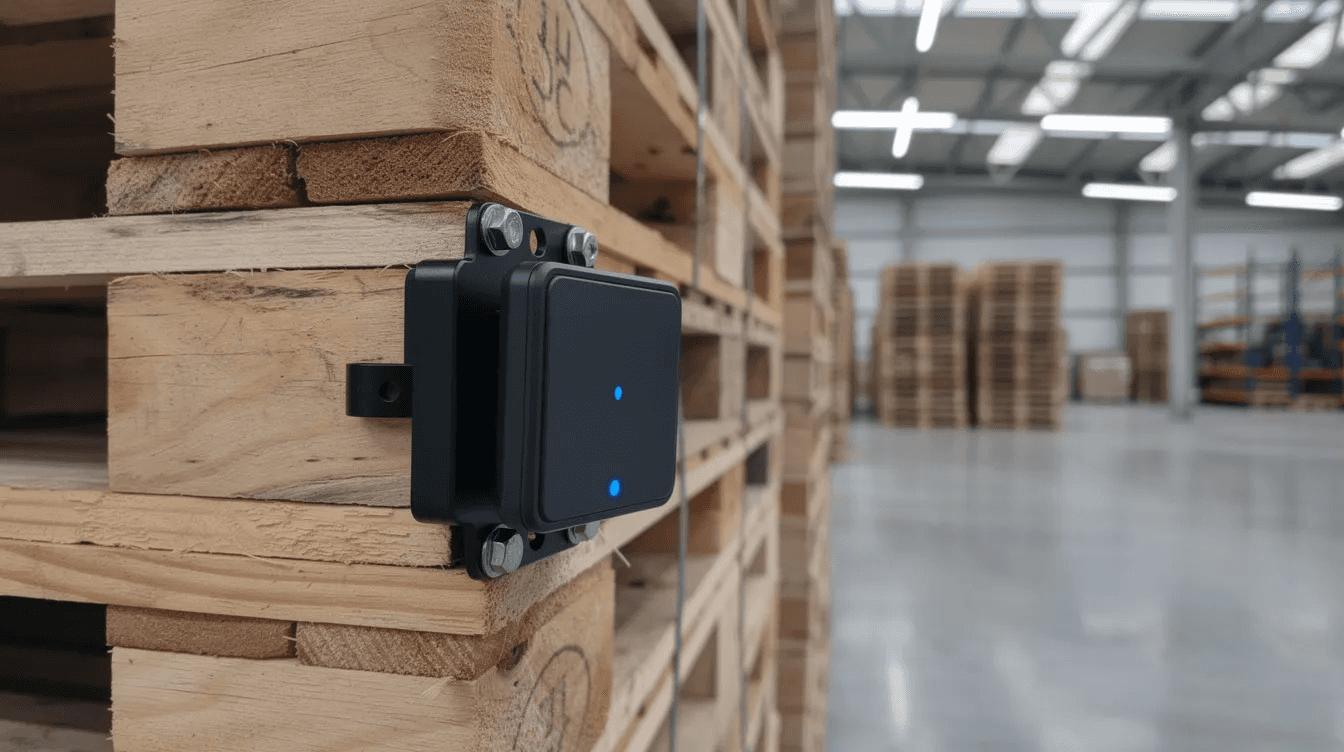
Unlike a static 3D model, a live digital twin model updates minute by minute from fleet systems, RTK GPS, SCADA, historian data, condition sensors, drones, geological databases, mine planning tools, and ESG systems. It may represent one truck, a crusher, a processing plant, or the full supply chain. Semvar ingests data from various sources, applies a semantic layer, and exposes accurate information through APIs, dashboards, advanced analytics, and generative ai support.
How Digital Twin Technology Optimises Mining Operations
The main issues in mining operations are fragmented data, siloed teams, and reactive decisions in complex operating conditions. Digital twins provide unprecedented visibility into unpredictable operational environments in mining by integrating designs, schedules, production data, and equipment telemetry into one system.
The key benefits include higher throughput, better asset utilisation, reduced rehandle, greater efficiency, and improved adherence to the plan. Typical targets include 3–10% productivity uplift and 5–15% throughput improvement; Metso reported stockyard gains of about 15% for coal and 7% for iron ore. Use cases include loader–truck pairing, crusher bottleneck reduction, and blast pattern changes based on updated geology. Semvar’s AI layer surfaces hotspots and recommends changes directly from the digital replica.
Real-Time Visibility and Decision Making
A mine twin overlays live IoT, production, and location data on engineering models, giving dispatchers, supervisors, engineers, geologists, and ground crews a shared operational map. Digital twins enable mining companies to monitor and analyse data in real time, allowing them to identify inefficiencies and streamline operations, which significantly enhances operational efficiency.
For example, if rain closes a haul road, the twin can test different scenarios and calculate cycle-time and production effects for the next 24–72 hours. Semvar’s role-based dashboards for operations, maintenance, planning, and ESG keep data driven decisions consistent.
Enhancing Safety and Risk Management
Digital twin technology improves efficiency and safety in mining operations while presenting significant technical and environmental challenges. Safety remains a hard problem: some regions have recently reported fatality rates above five-year averages, despite automation.
Digital twins integrate live radar and inspection data for geotechnical monitoring in high-risk structures like pit walls. They also integrate geotechnical sensors, slope radar, and tailings dam instrumentation to create risk maps for pit walls, dumps, and infrastructure. Digital twins can predict structural failures and protect workforce personnel in hazardous mining environments.
By modelling different scenarios, digital twins can anticipate potential risks and recommend preventive actions, significantly improving safety and risk management in mining environments. Digital twin technology can help identify potential hazards and suggest preventive measures by providing real-time data and insights, thereby enhancing safety in mining operations. Digital twins enhance workforce safety by allowing virtual training programs in dynamic mining scenarios, reducing exposure to hazards. Semvar can fuse sensor data and historical data from incidents to forecast risk levels and alert safety teams.
Digital Twins, IoT, and Data Modelling in Mining
Accurate information is the foundation. Modern mines collect large volumes of data from vibration sensors, temperature sensors, proximity systems, fuel meters, energy meters, environmental stations, personnel trackers, drones, and control systems.
The critical step is integration: building a semantic model that links tags, equipment IDs, locations, process flows, KPIs, and resources into one digital representation. Before implementing digital twins at scale, mining operators must clean tag names, resolve duplicate IDs, standardise units, and validate access. Semvar helps by mapping raw IoT streams into a standardised asset and process model.
Predictive Maintenance and Asset Health
Digital twins facilitate hotspot identification and predictive maintenance by monitoring equipment performance and detecting potential issues before they escalate into costly failures, thus reducing safety hazards. By integrating digital twins with predictive analytical models, teams can anticipate equipment failures, allowing operators to foresee potential issues and make proactive decisions to prevent costly unplanned downtime.
Digital twins can forecast equipment failures and maintenance needs, enabling timely repairs that prevent costly interruptions and enhance the overall efficiency of mining operations. They can provide visibility into the remaining useful life of infrastructure components, helping operators make informed decisions about when to repair, maintain, or replace assets. For haul truck engines, conveyor idlers, and crusher bearings, predictive maintenance can reduce unplanned downtime by 20–50%. Semvar trains models on site knowledge, not only generic OEM curves.
Process Optimisation from Pit to Port
The mining industry uses digital twins for process optimisation, allowing simulation of changes in processing parameters without production losses. A pit-to-port twin covers drilling, blasting, loading, hauling, crushing, processing, stockpiling, and shipping.
Teams can test trucks, routes, mill speed, reagent dosing, and power constraints before touching production. Digital twins can simulate major structural adjustments without threatening active production pipelines. Semvar can run scenarios continuously and recommend operating envelopes for control room teams.
Digital Twin Mining for the Energy Transition
The global energy transition is increasing growing demand for copper, lithium, nickel, cobalt, rare earths, and other raw materials; the World Economic Forum notes that critical mineral demand could rise fourfold by 2040. Mining companies must increase output from existing assets while lowering emissions, water use, and environmental impact.
Digital twins can help mining companies increase output by optimising operations, identifying hotspots, and extending the lifespan of critical assets, thus ensuring that the supply of essential resources meets growing demand. This matters to every vice president planning copper south australia expansion or any mining sector roadmap.
Optimising Energy and Emissions
Mines utilise digital twins to decrease their environmental footprint by optimising resource consumption and minimising waste generation. Digital twins model the flow of energy and water, enabling operations to optimise resource consumption and minimise environmental impacts.
Digital twins optimise resource allocation, helping companies reduce energy demand, regulate water usage, and lower carbon emissions. Digital twins can monitor raw materials, energy, and water usage to pinpoint locations where resources are being misused, allowing businesses to implement plans to save waste and boost productivity. Semvar can calculate emissions intensity per tonne in near real time.
Improving Orebody Utilisation and Recovery
By creating a digital replica, organisations can gain valuable insights into the performance and efficiency of their assets, identify areas for improvement, and predict potential issues before they occur. Better blending, ore routing, cut-off grades, and stockpile strategies improve recovery without always requiring new CAPEX.
Semvar’s AI models learn relationships between ore characteristics and plant performance, enabling operators to maintain recovery under changing market, geology, and operating conditions.
Implementing Digital Twins in Mining Operations
Implementing digital twins is not a one-time software install. It is a digital transformation program built around phased change management, governance, and integration.
A practical roadmap is: discovery, use-case definition, data assessment, pilot twin, scale-out, and ongoing optimisation. Start with one or two high-value pilots, such as a critical haul circuit or processing bottleneck, and prove value within months. Governance should cover data ownership, cybersecurity, model validation, and who can act on AI recommendations.
Choosing the Right Use Cases
Choose use cases with clear KPIs: crusher uptime, truck utilisation, concentrator energy intensity, or maintenance costs. Evaluate each by business value, data availability, and readiness.
A good portfolio mixes fast wins, such as remote monitor dashboards, with deeper changes, such as predictive maintenance. Semvar workshops help companies quantify ROI before they create a rollout plan.
Data Integration and Architecture
Most mines have OEM systems, historians, planning tools, spreadsheets, and legacy infrastructure never designed to work together. A digital twin platform should sit above them, not replace them.
Common methods include OPC UA, MQTT, REST APIs, file drops, direct database connections, and edge components for remote sites. Semvar’s connectors and semantic modelling layer turn raw signals into a coherent virtual replica aligned to equipment, locations, and processes.
People, Skills, and Change Management
Digital twin projects work when frontline users see daily benefits. Dispatchers, supervisors, engineers, maintenance planners, IT/OT teams, and data specialists should steward the twin together.
Training and coaching help staff interpret insights and embed them into shift routines. Semvar co-designs dashboards and workflows so adoption is operational, not just technical.
Overcoming Common Challenges in Digital Twin Mining
Digital twin implementation faces challenges including data quality and integration, high initial investment, and cybersecurity vulnerabilities. These challenges are manageable with phased scope, cloud/edge architecture, and security-by-design.
Mining companies should treat twins as a long-term capability that evolves with the mine and the world market. Semvar reduces manual data engineering through modular deployment, prebuilt connectors, and governance tooling. Payback for focused projects is often 12–24 months.
Cost and ROI Considerations
Cost drivers include sensors, connectivity, integration work, software licensing, and training. The business case should quantify avoided downtime, increased production, reduced costs, lower reagent use, and energy savings.
Digital twins can significantly lower operating costs by streamlining procedures and eliminating errors, leading to more efficient mineral extraction and reduced expenses. By utilising digital twins for predictive maintenance, mining companies can reduce costly replacements and delays, thus dramatically lowering operational costs. Digital twins enable mining operations to identify hotspots and potential issues before they escalate, which helps in minimising downtime and associated costs, potentially saving millions in lost production.
Cybersecurity and Reliability
Because twins centralise sensitive operational data, access control is essential. Best practices include network segmentation, read-only connections where possible, identity management, and regular security assessment.
Modern platforms should support on-premise, hybrid, or sovereign cloud deployments. Semvar is designed around industrial cybersecurity patterns used in critical infrastructure.
FAQ: Digital Twin Mining
Here are common questions we hear from mining operators evaluating digital twin mining.
How long does it take to implement a digital twin in a mine?
A focused pilot usually takes 8–16 weeks for a processing plant, haul circuit, or asset class. Broader multi-asset rollouts often take 12–24 months because validation, integration, and onboarding take longer than software setup. Semvar’s prebuilt models can shorten pilot timelines.
What data do I need before starting a digital twin project?
Start with an equipment registry, process diagrams, basic instrumentation, and access to fleet, SCADA, maintenance, and planning systems. Perfect data is not required; the first phase identifies gaps and cleans priority data sets. Semvar can discover and map available sources quickly.
How is a digital twin different from traditional simulation models?
Traditional simulation is usually static and offline. A digital twin is continuously updated with live data and used in daily operations. Semvar combines monitoring, simulation, analytics, and visualization in one platform.
Can smaller or mid-tier mining companies benefit from digital twins?
Yes. Digital twins are not limited to major miners. Smaller sites can start with targeted use cases like asset health, plant stability, or energy monitoring, then expand as savings are demonstrated.
Do digital twins replace existing mining software and control systems?
No. Digital twins sit above planning tools, SCADA, fleet systems, and historians. Semvar connects and augments existing investments to create one consistent view for better decisions.
Read more insights